
This past weekend my wife and I watched “Mission Impossible: The Final Reckoning” in our local movie theater. I’m not a big Tom Cruise fan – I saw his first movie and never went back for seconds. Still, this was a movie my wife really wanted to see, so I tagged along.
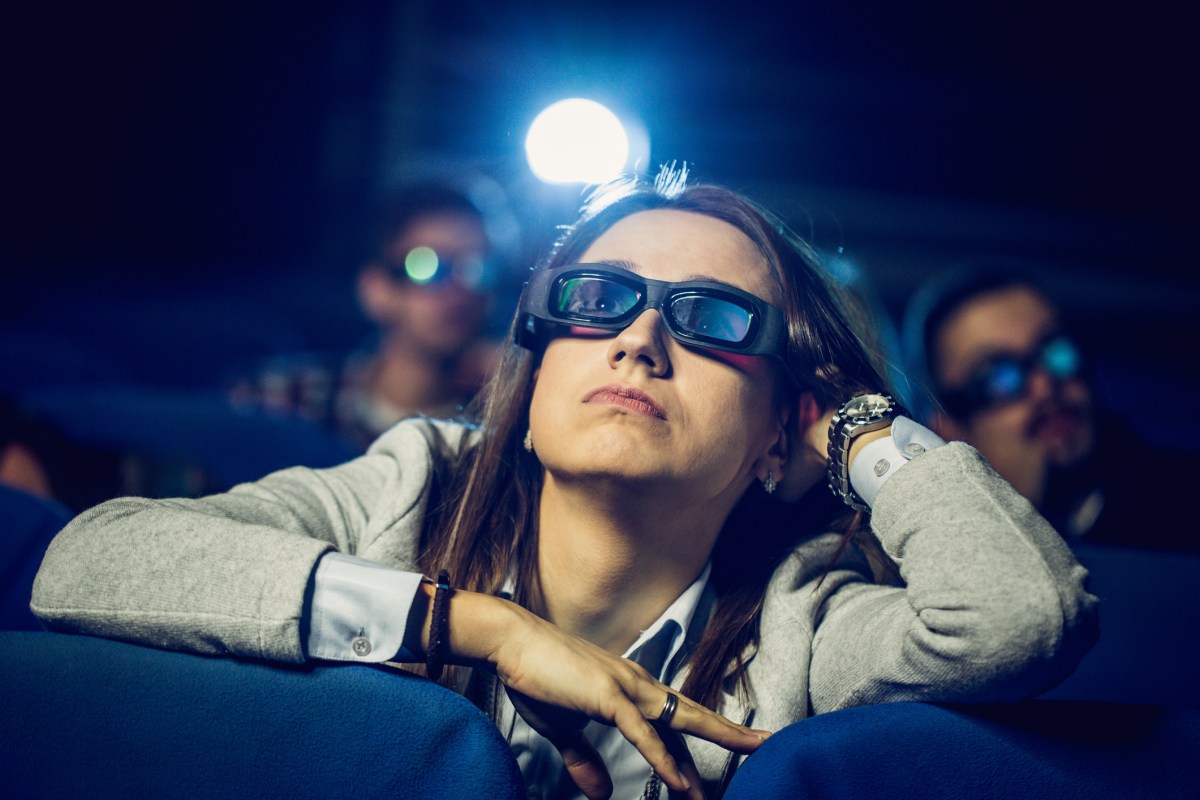
After the movie, we had dinner at a nearby Thai restaurant, and she asked me what I thought of the movie. The only word I could come up with was “interesting.” As its name unintentionally suggests, the plot of “Mission Impossible” is so implausible that at times I caught myself laughing out loud. Worse, I couldn’t escape the experience of sitting in a room, watching a series of translucent images flicker across a screen. The movie never carried me outside of myself.
I judge the quality of a movie by how disoriented I feel when I walk out of a theater and back into the light of day. Filing out of the theater after watching a great movie, I’m unsure, for a second or two, about where truth lies. Is the movie I just watched still my reality, or is my reality now the line of people waiting to buy popcorn and Twizzlers?
I’ve noticed a similarly disorienting experience sometimes when I’m working. I’m focused on a task – responding to an email or sending out invoices – when suddenly I’m hijacked by a train of thought that comes out of nowhere. I swing like a monkey from one thought to another, only to fall from the trees when something draws me back to my desk. Then, I recognize that as real as my stream of consciousness felt in the moment, it was merely an enchanting dream born of neurochemical processes we have yet to fully understand – but a dream with which, for a short period of time, I identified completely.
“I think, therefore I am,” Descartes suggested. It’s true: what we think shapes who we are. For better and worse, thinking pulls us out of the world and into the land of abstraction. Lost in thought, we die a little death, but as soon as we’re able to return to the light of day – just like we do when we step out of the movie theater – we’re resurrected and brought back to life. Unlike the prisoners in Plato’s cave, we no longer harbor the illusion that the random, unsolicited images our minds endlessly propagate are reality and the means of our salvation.
Neuroscience researchers estimate that our brains operate at least half the time in what’s called the default mode, during which we replay past experiences, fantasize about the future, ruminate over how we’ve been wronged and how we might exact revenge, and otherwise wallow in self-referential thinking. The price of admission to the default mode movie? Lots of lost productivity on the job, for sure – but also fewer opportunities to experience joy in our work, since we can experience joy only when we’re truly alive, living and breathing in the present moment.
 Fridman Associates